






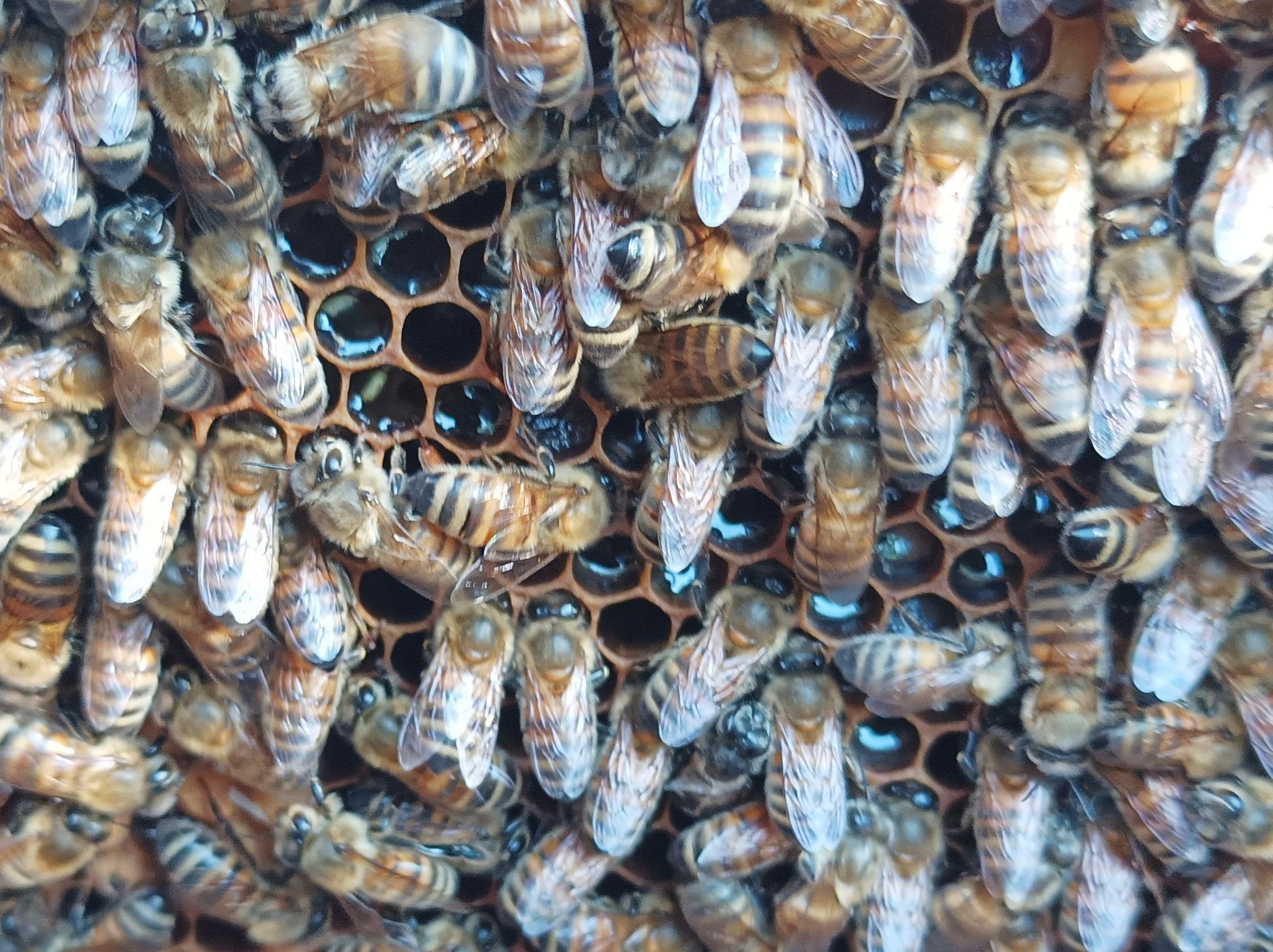
 Bees are perfect insect each one with a precise role in their life. They born, live and die to serve their Queen.
Honey bees live in colonies or families, each one with a number of bees that goes from ten thousand during the winter to sixty thousand during the summer.
In each family there are workers, drones, and a queen. The adult honey bees in any colony are female worker bees that gather and store nectar and pollen, make honey, royal jelly, produce wax, and care for the queen.
Each worker bee, guided by a biological clock, assumes different responsibilities and performs a specific job. They start as worker bees than become cleaners of brood cells.
When the worker bees are a little older, they become in charge of removing dead bees. Brood care bees assume the role of incubating and caring for the developing larvae becoming nurse bees. Worker bees, that are about 12 days old, are mature enough to begin secreting and producing beeswax, the material for the construction of combs.
Some of the workers become temperature controllers, they control the temperature and humidity within the hive. Some become guards, guarding the hive is the last task of a worker bee before venturing out to the fields.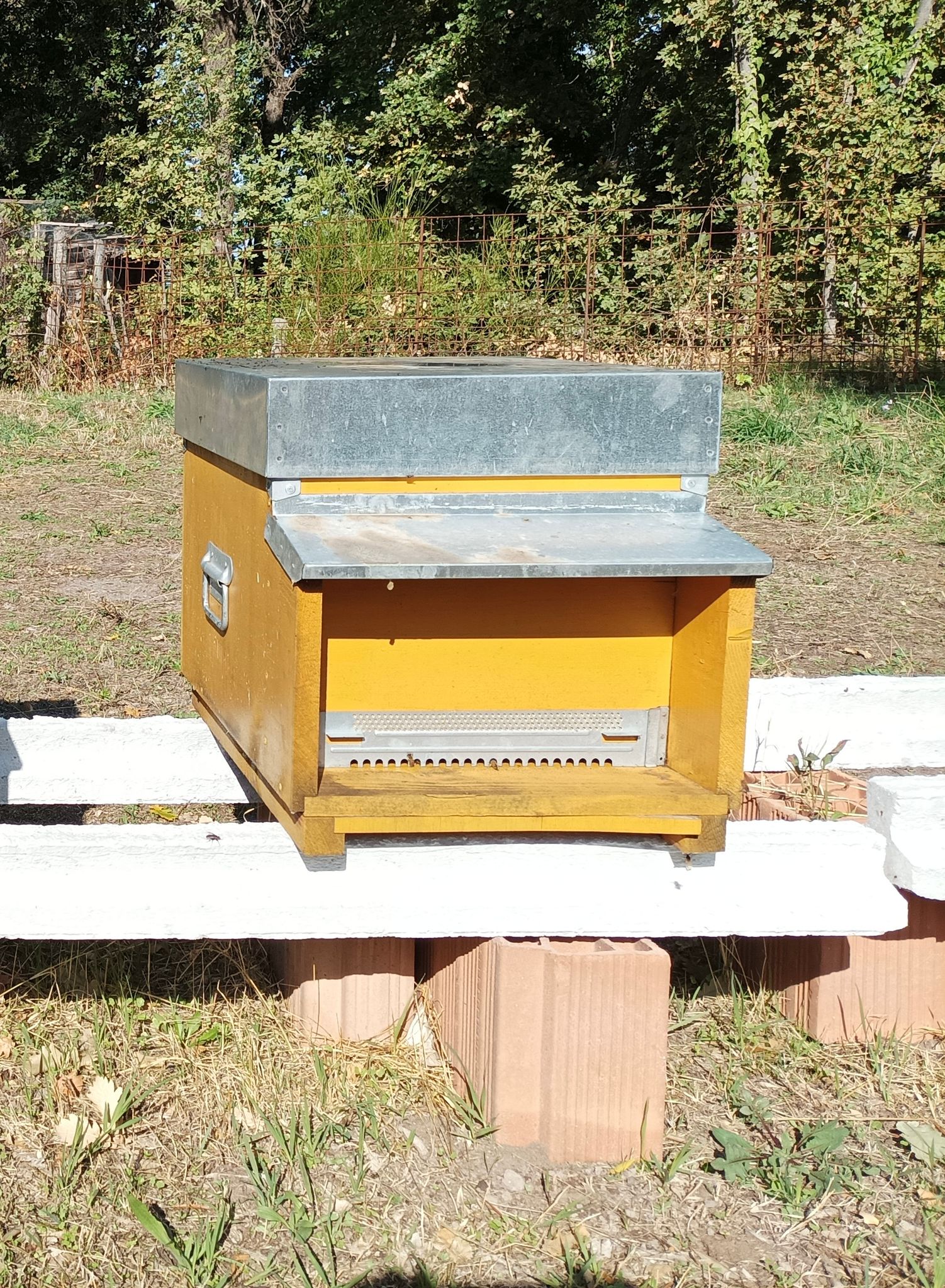
When they are about fourteen days old, the worker bees leave the nest as foragers and visit the flowers up to ten kilometers far from the hive in search of nectar, water and pollen. They can make about ten trips a day, each one lasting about an hour and return to their hive at sunset. At this final phase of life most worker bees will die in the field. There is only one queen for each hive and her primary duty is to lay eggs.
The male members of the colony exist only to mate with the queen. She mates with about 10/15 males, the drones,and she kills them all after mating.She maintains the sperm she collected during mating in a special pouch in her body and can continue laying eggs for up to four years.
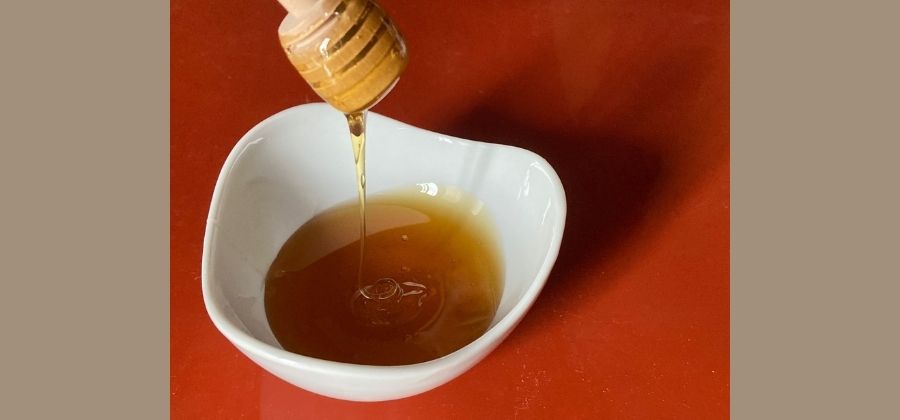
About on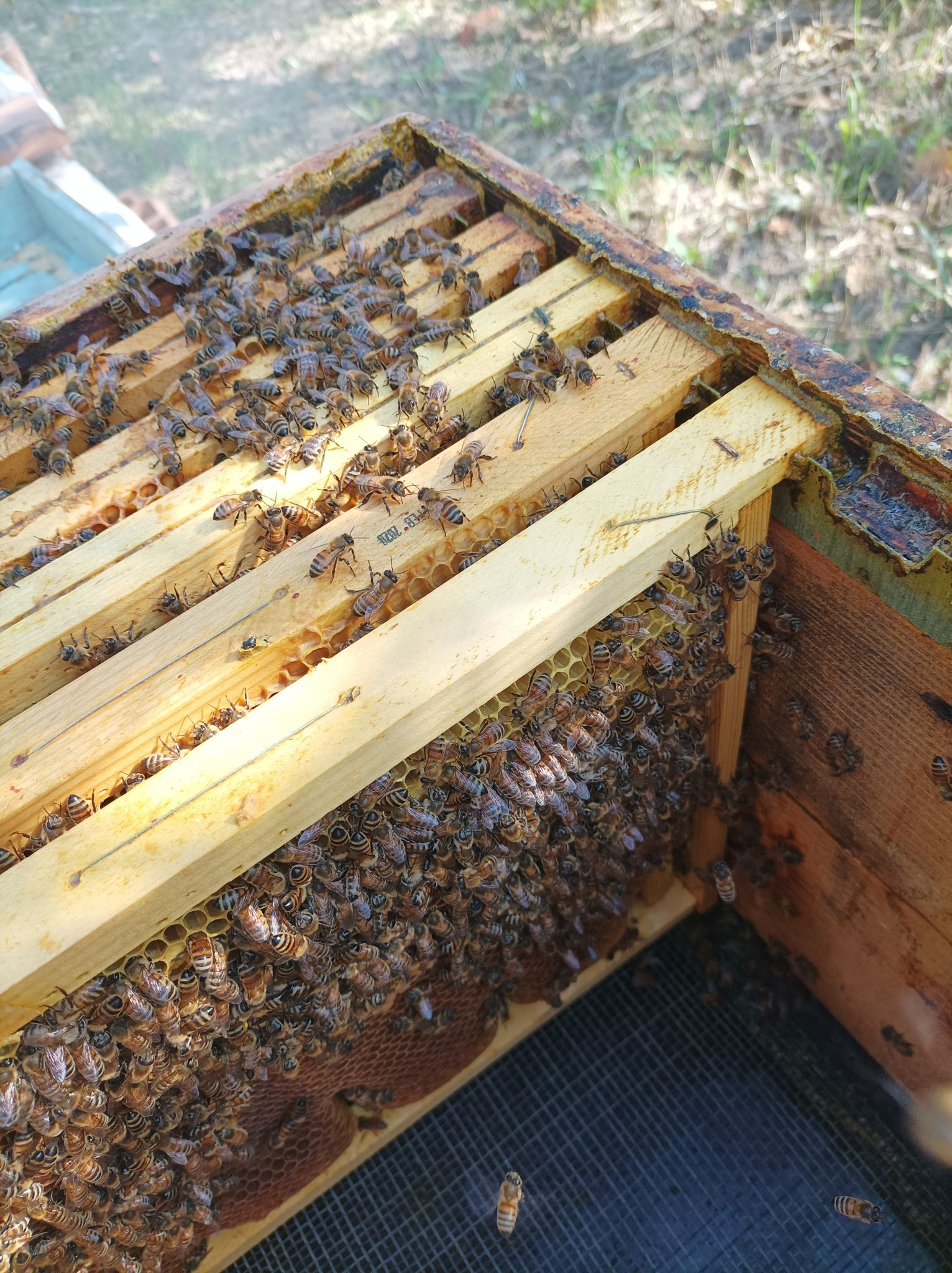 e-third of the total human diet is derived from insectpollinated plants. Honey bees are needed to pollinate a variety of fruits, berries, vegetables, trees and seeds. High-quality honey is rich in antioxidants, is antibacterial and also anti-inflammatory. In addition to savoring honey, it has many other applications that can be useful, such as for example:
– Soothing action against cough. Heat the juice of one lemon in a saucepan and pour it into a bowl adding a teaspoon of sunflower oil and half a glass of honey. Mix well and transfer to sterilized glass jars. Store in the refrigerator. Take 1 or 2 teaspoons as needed, you have made a syrup to relieve the cough.
– Honey is a natural remedy suitable for taking care of dry skin, just apply it directly to the skin and let it act for 30 minutes before rinsing with warm water.
– To make a nourishing face mask, combine 2 teaspoons of honey and 2 teaspoons of milk. Apply the mask to the skin gently. Let the honey mask work for 10 minutes before rinsing off with warm water.
– For dry hair use one teaspoons of a honey and one teaspoon of extra virgin oil and mix it together. If necessary, add a little bit of water. Apply it to damp hair. Wrap the hair with a towel and let it act for about 20 minutes before washing to your usual shampoo.
– It is one of the most popular remedies for chapped lips, it will help heal them and perform a curative action, thanks to its antibacterial properties. Just apply it on the lips in small quantities.
– To help heal scratches and minor burns, you can try applying small amounts of honey to the affected areas. Honey soothes the skin, helps it regenerate and performs an antibacterial action, suitable for preventing infections.
– Honey has antibacterial properties that can be useful in case of mosquito bites. You can apply it on irritated skin.
Unfortunately, climate change is impacting bees lives, high temperatures and lack of food are killing them. To have a spoon of honey it’s a bee’s lifetime job, about 40 days. If you find beesin difficulty, especially in the summer give them a mix of water and sugar, this drink will provide them the necessary energy to get back to their hive.
A special thanks goes to Remigio Ercolani, a friend of mine, honey producer, passionate, expert and researcher who told and shared with me all he knows about honey bees.
For any further information please contact me at
stefaniamontalbano@carlozucchetti.it