


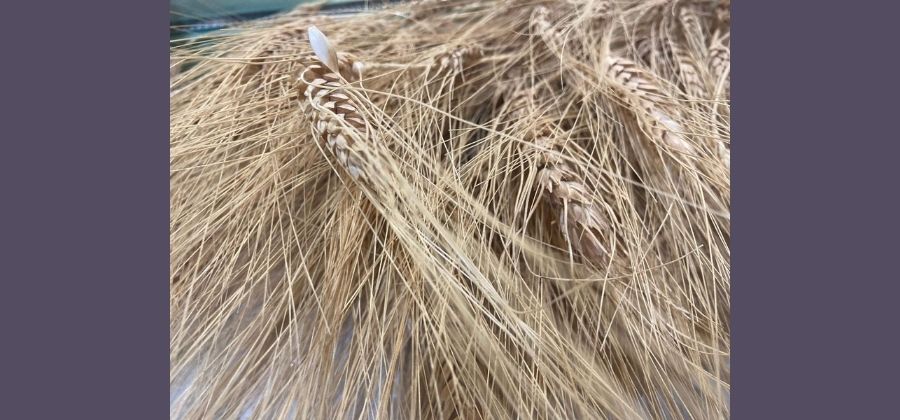
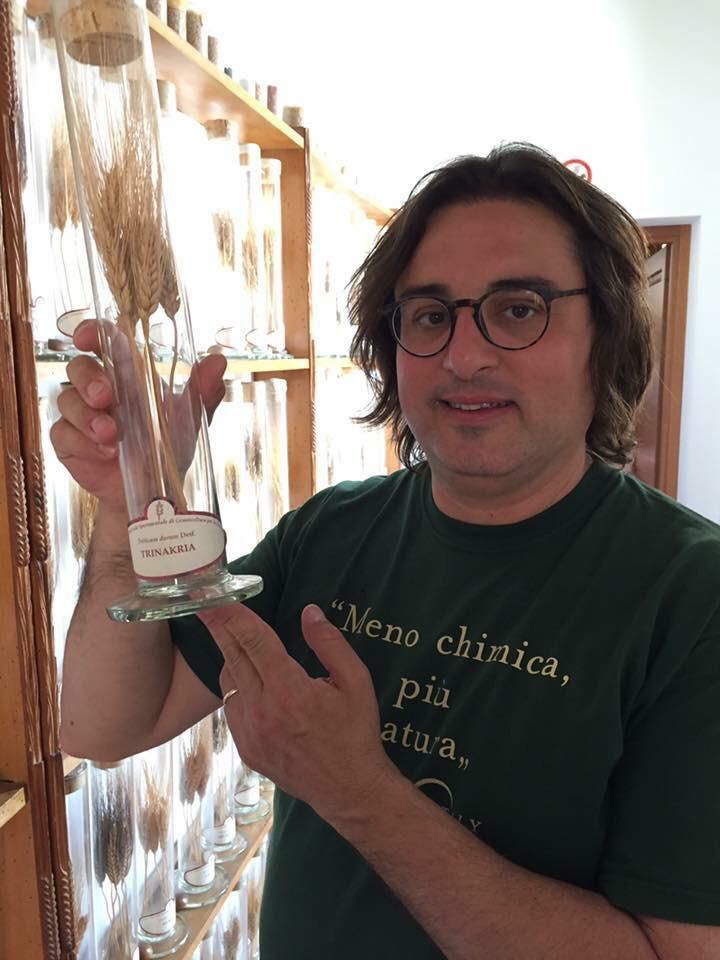
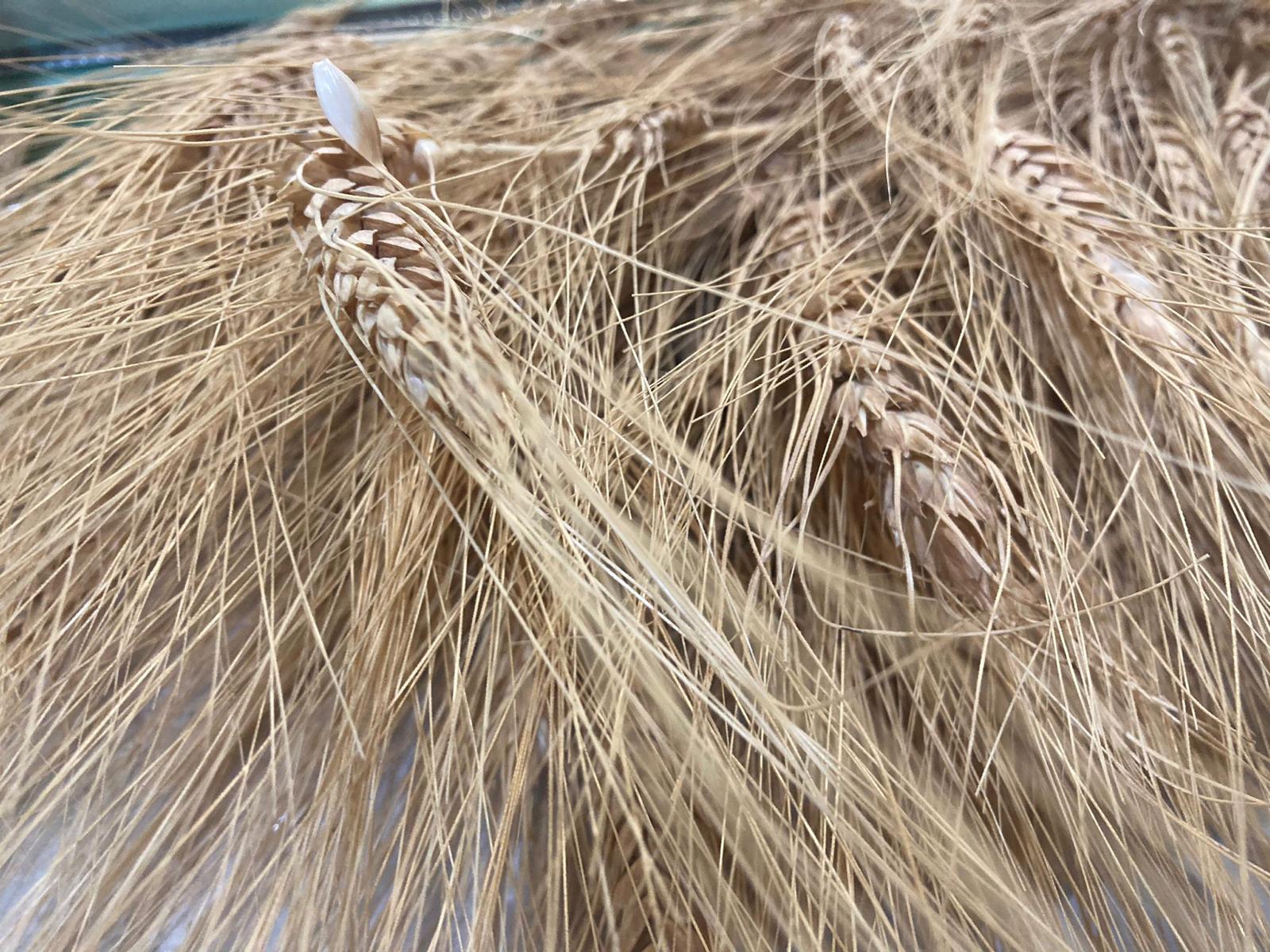
The story of Filippo and the Molini del Ponte began four generations ago, with the great-grandfather as a coach man transporting people and goods in the historic center of Marsala. In 1930 he moved to Castelvetrano adding wheat, flours and grains to his horse truck business and developing his collaboration with various local mills. The great-grandmother, as a good house woman, prepared and sold the bread as her contribution to the family economy. Unfortunately, the great-grandfather passed away as a young man and the great-grandmother had to carry on the company until her son (Filippo’s grandfather) took over the business. From grandfather to father they started managing few stone mills and in 1965 they began their own current mill’s business. 1968 was a devastating year for Sicily, the Belice earthquake stopped everything, but in 1970 the Drago brothers’ mills started again buying additional stone mills. The stone grinding technique is the oldest method for grinding wheat and it is the best system for the production of high-quality flours.
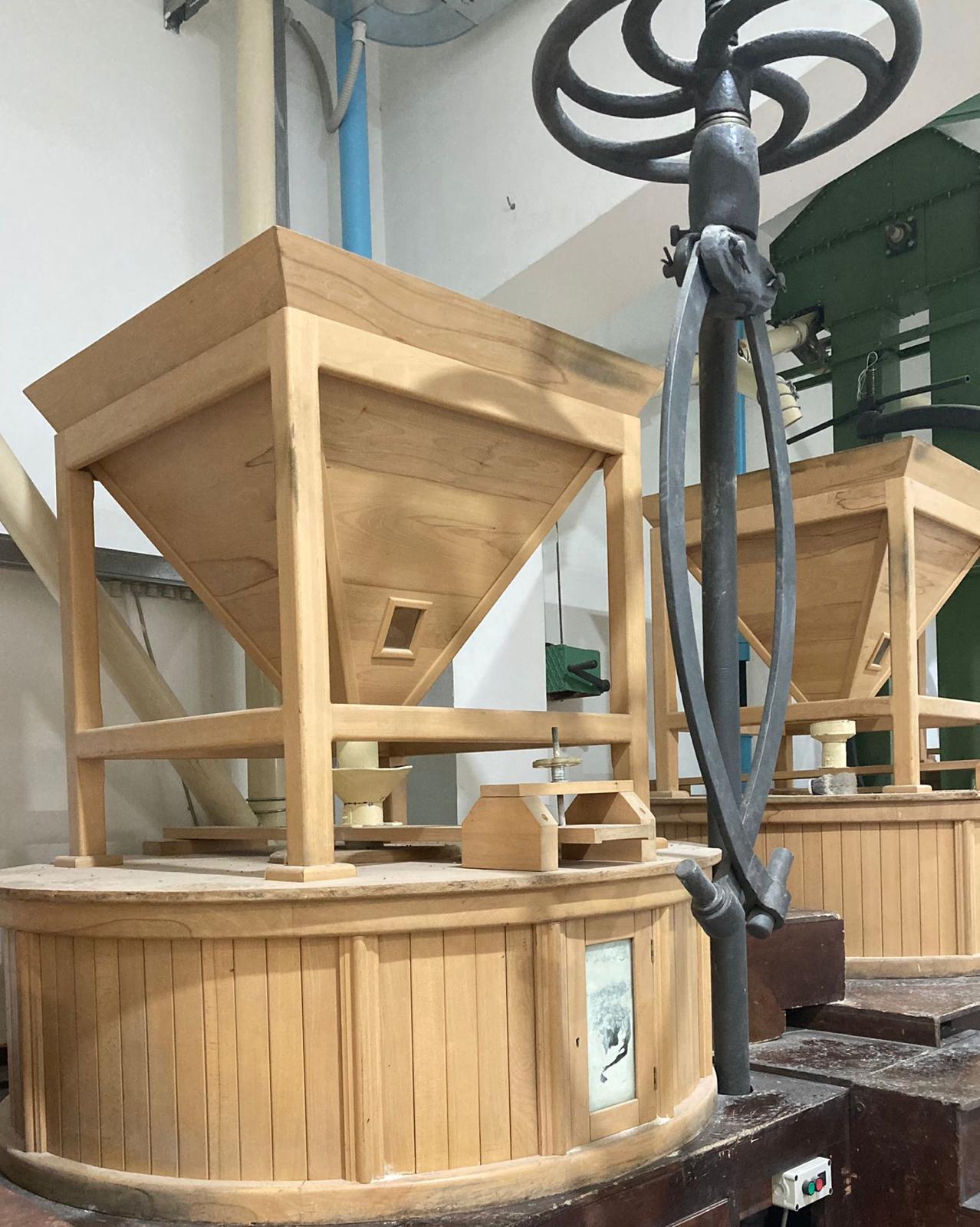
The advantages of this grinding derive primarily from the low speed of the wheel which, during the milling phase, crushes the wheat grains turning at a speed that manages to keep the temperature of the flour constant, preventing it from overheating. It is for this reason that the stone grinding of the grain guarantees better nutritional and organoleptic characteristics. This type of grinding preserves the vitamins, mineral salts, fibers, noble proteins and enzymes of the cereal that make it easier to digest.
Filippo did follow his father from the age of four, at thirteen he made his first experience in the management of a mill and in 1991 he joined it in all respects. From his father and grandfather, he inherited their great entrepreneurial sense and their great skills as merchants.
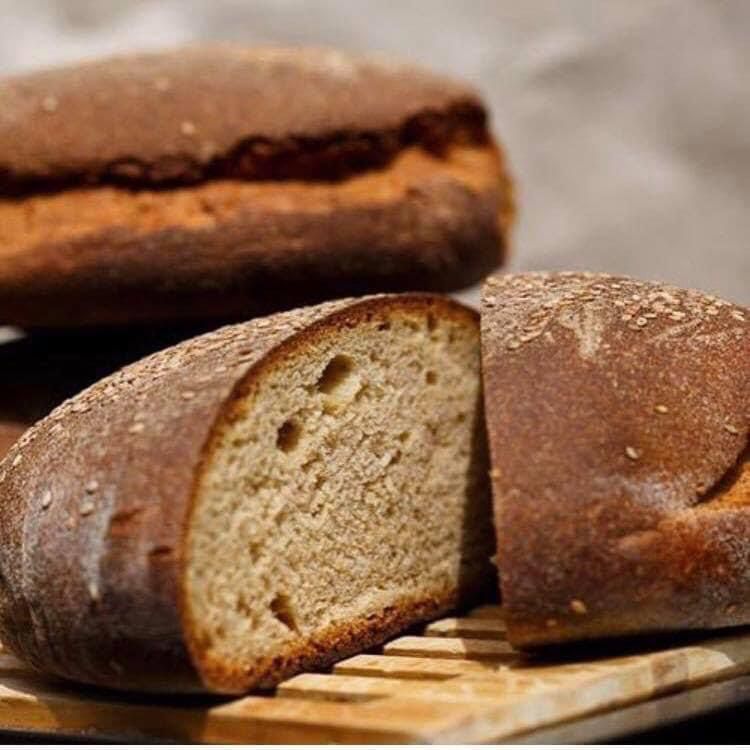
Currently Filippo, with great pride, tells us about his fifteen stone mills all working, a new project of additional new eight mills and a museum. The city of Castelvetrano is one of the few to have survived the abandonment of the stone mills in the 50s that went plundered and destroyed by the arrival of the American’s refined flours. The old flours remind fatigue, hunger and poverty, but the desire to carry on the tradition and processing of the famous black bread of Castelvetrano wins over the advent of technology and modernity.
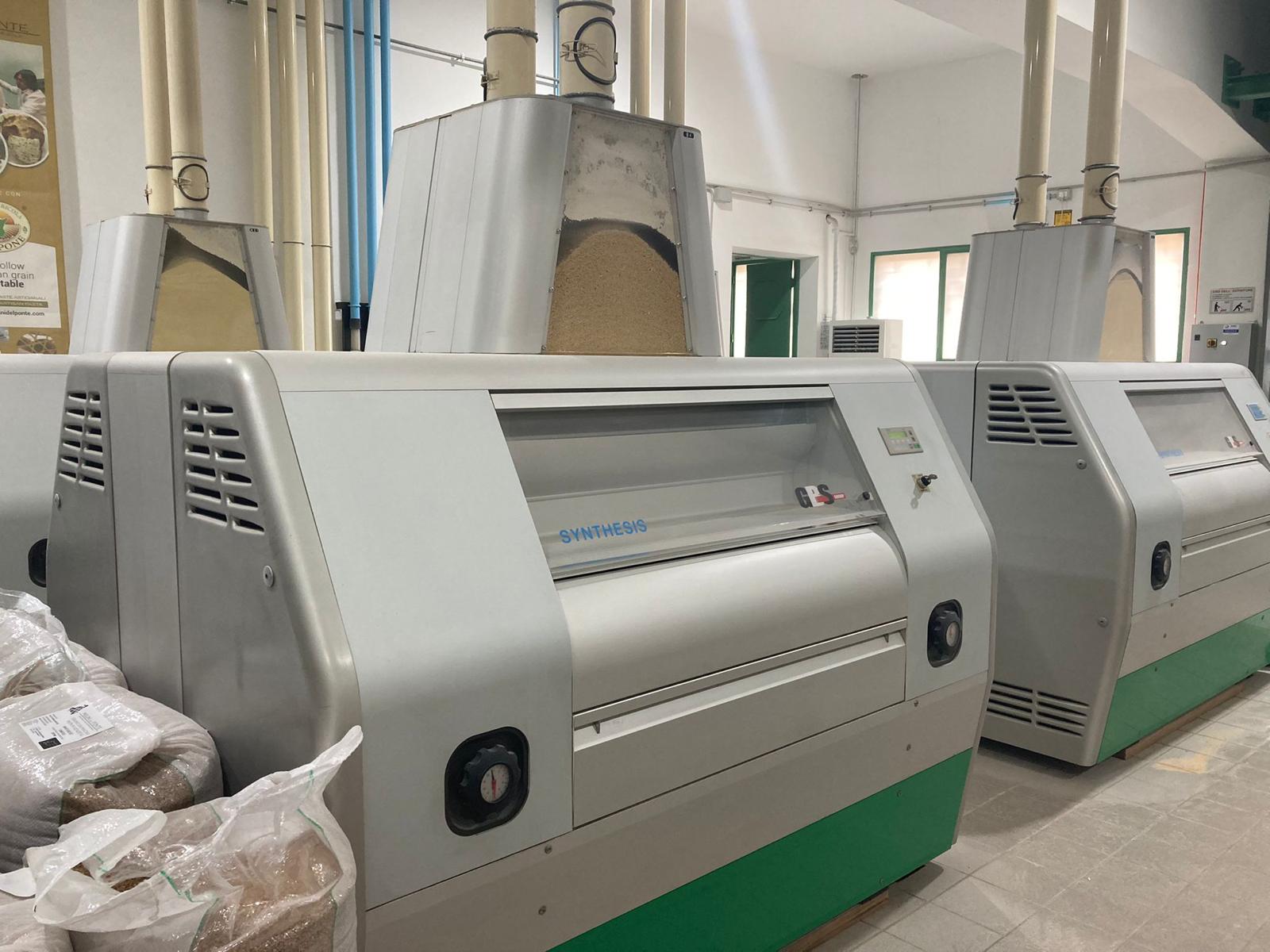
They have proudly reached, with the help of additional modern equipment, thirty thousand quintals of flour per year production from organic grains grown only in Sicily.
Today the Molini del Ponte is a place where past and modernity coexist, where the cylinder machines alternate in the morning, side by side, with the stone mills that work in the afternoon. The mills are flanked by modern machinery that guarantees the perfect hygiene of the flours produced; but Filippo’s story is even more, he talks about his company like a daughter, and considers his employees as a family.
He equipped all five floors of the building with air conditioning and filters so that both, flours and workers, can feel good and end up with better results.
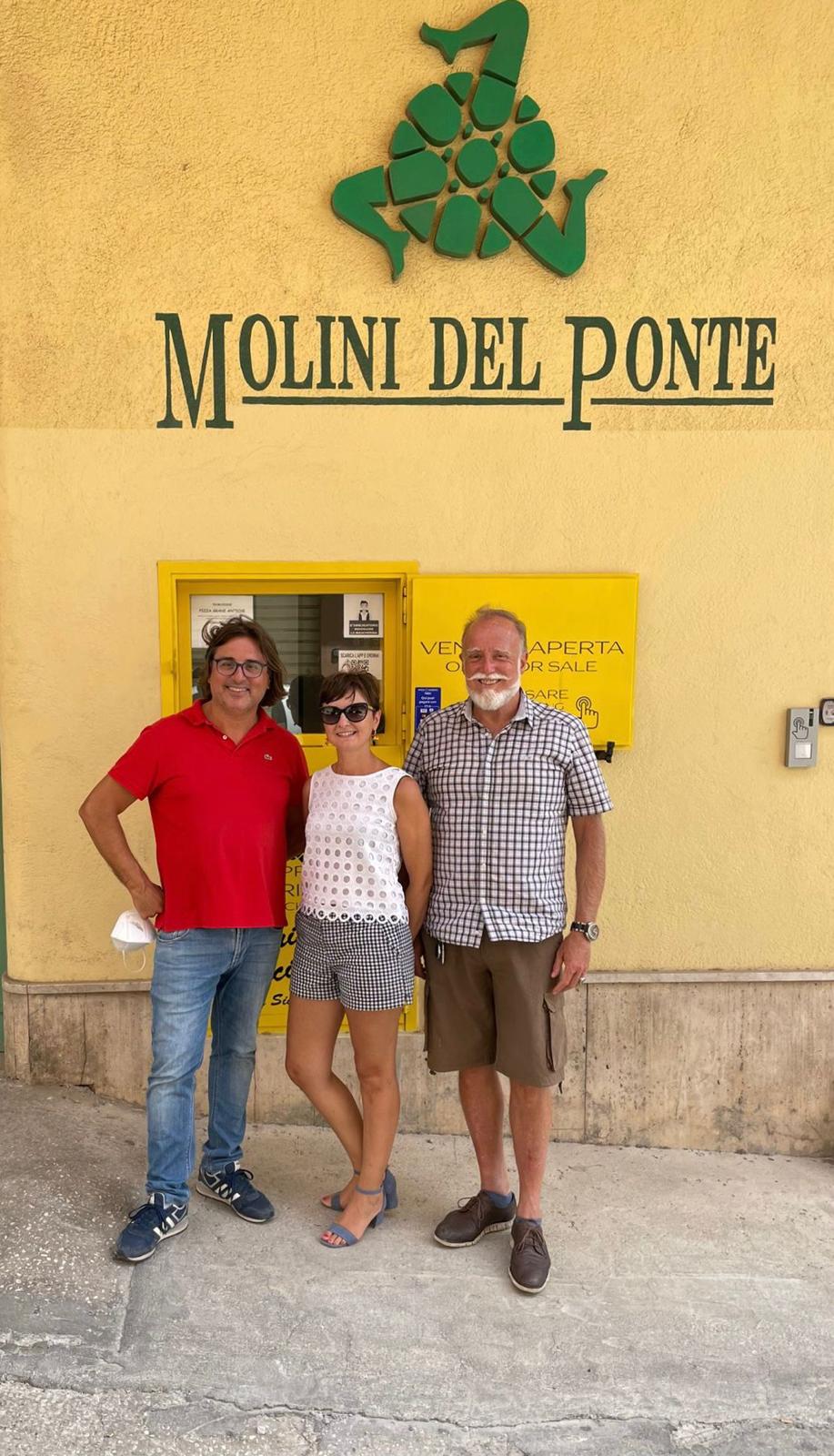
Molini del Ponte philosophy is simple and straight: utmost care to the production chain from the land to the farmer, to the team of workers and finally to the final consumer. Today it’s possible to find Filippo’s flours both in supermarkets and specialized shops and eventually online on the company website. There are many projects ongoing, but what fascinated us the most is the restoration of a warehouse to be used as a laboratory for demos and tastings of local products. We will certainly come back to him and tell you again about this industrial craftsman who has made of the past his future.
Molini del Ponte
Via Parini, 29 – 91022 Castelvetrano (TP)
info@molinidelponte.it


For any further information contact me at
stefaniamontalbano@carlozucchetti.it