

Unique and at the same time extremely complex piece of land, the microclimate, the warmth of the Mediterranean and the cold of the mountain create the temperature range that generate great wines, if not the best.
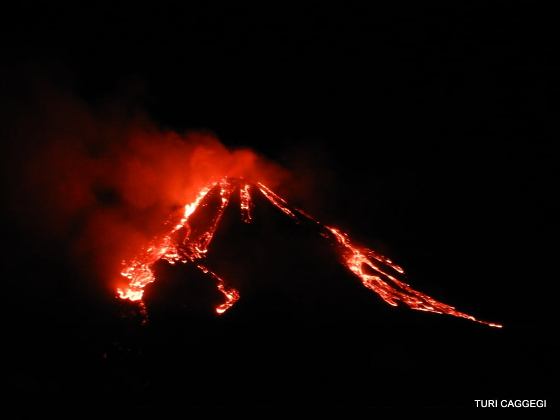
3.340 meters high (almost 11 thousand feet) and on top hidden under the snow all year long, the slopes of the volcano are covered with soils from the solidification of the out magma. Young soils, rich in minerals and very fertile thanks to lapilli and volcanic ash which, on each eruption, settles on the ground. We had documented eruptions dating back 3,500 years and since then “A Muntagna,” The Mountain so called by the Sicilian native, never went to sleep.
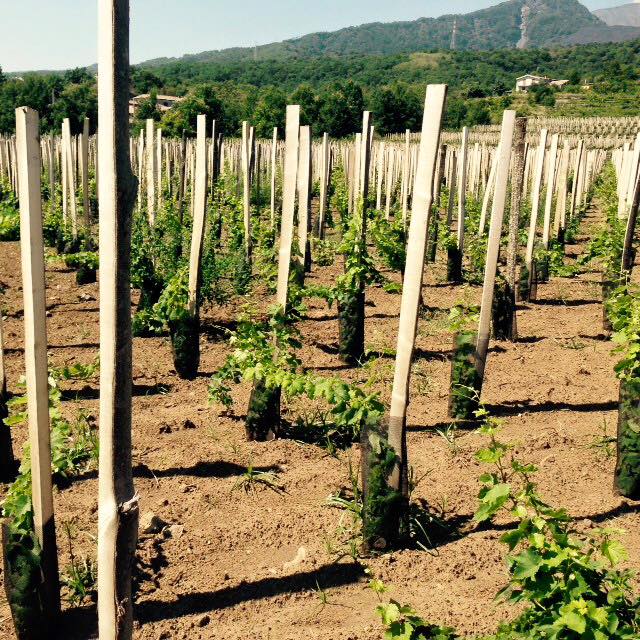 Today making wine on top of the mountain is very popular, we count more than 1.000 hectares (about 2.500 acres) of vineyard area, but until few years ago viticulture on the volcano was underdeveloped.
The vineyards are concentrated between 300 and 1.000 meters high (from 1.000 up to 3.300 feet). The weather is cool and well ventilated even in summer, with a significant daily temperature fluctuation, up to 25 degrees Celsius (about 77 Fahrenheit), and continental climate most of the year. This gives the characteristics of Etna wines. It’s not unusual to find ungrafted grapevines in these areas (plant in which the roots and stem are of a single plant), precisely because of the sandy and volcanic nature of the soil where vine diseases can hardly get their way.
The land can be divided into four main areas where grapes are cultivated, North, East, South-East and South-West.
Nerello Mascalese is the most cultivated variety for red wines, mainly planted on the north slope of the volcano. It’s a vigorous and resistant grape, and a late ripening. With a high level of tannins, this wine is elegant, salty, mineral with herbaceous and spicy notes, fruit based on berries and cherries and predisposition to aging.
The east slope of the Volcano is a land of white wines, the most widespread variety it’s Carricante, a native, elegant and highly acidic vine. The predominant aromas are of yellow fruit, flowers, honey, licorice, scents of the sea, minerals, Mediterranean scrub and aromatic herbs with great aging potential.

One of the forerunners and top expert of winemaking on the volcano vineyard is Mr. Salvo Foti. According to him the volcanicity of these wines is given by the acid vein as well as the minerality. He asserts that to make a great wine you need three elements: territory, grape variety and people and all of them must be indigenous. This is the best image that can be given of my beautiful and lovely land, hardworking and passionate people who made a mission of their job.
For any further information contact me on
stefaniamontalbano@carlozucchetti.it
Photo Cover Credits
Turi Caggegi